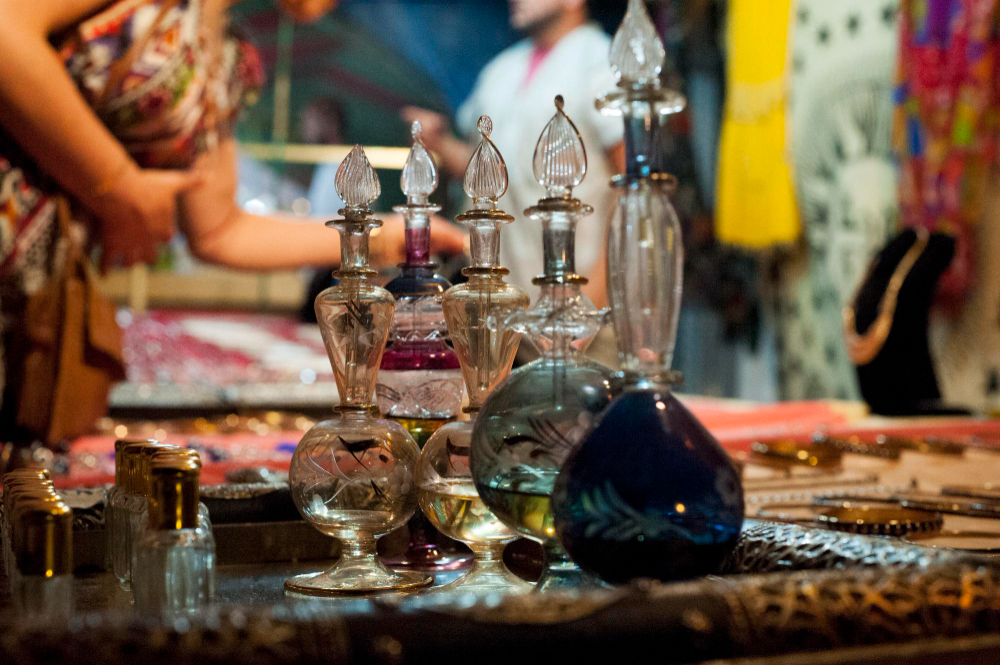
Something has shifted in the fragrance world over the past few years. Walk into any upscale department store in New York, Los Angeles, or Miami, and you will notice a growing section dedicated to Middle Eastern perfumes. These fragrances, once considered niche or hard to find in the US, are now sitting alongside the biggest names in the industry. And they are selling fast.
The reason for this shift comes down to what consumers actually want from their perfumes in 2026. After years of light, airy scents dominating the market, people are craving something with more depth. They want fragrances that last longer than a few hours. They want scents that make a statement without shouting. Middle Eastern perfumes deliver on all of these fronts.
The Staying Power Factor
One of the biggest complaints about mainstream designer fragrances is how quickly they fade. You spray on your favorite scent in the morning, and by lunchtime, it has vanished. This happens because many Western fragrances are formulated with lower concentrations of fragrance oils. They prioritize immediate appeal over longevity.
Middle Eastern perfumes take a different approach. They typically contain higher concentrations of oils, often ranging from 20 to 40 percent. This means a single application in the morning can carry you through an entire day and into the evening. For consumers tired of reapplying throughout the day, this alone makes the switch worthwhile.
Oud & Beyond
When people think of Middle Eastern perfumes, oud often comes to mind first. This resinous wood, harvested from agarwood trees, produces one of the most sought after scent profiles in the world. But Middle Eastern perfumery extends far beyond oud. These fragrances incorporate notes like saffron, rose, amber, musk, and sandalwood in ways that feel both classic and unexpected.
The layering tradition in Middle Eastern fragrance culture also sets these perfumes apart. Rather than wearing a single scent, many people in the Gulf region layer multiple fragrances to create something personal. This practice has influenced how these perfumes are formulated, with many designed to work well with other scents rather than overpowering them.
Value That Makes Sense
Here is where things get interesting for budget conscious consumers. A bottle of designer fragrance from a major fashion house can easily run $150 to $300 for a standard size. For that price, you often get a scent with moderate longevity and projection that many other people are also wearing.
Middle Eastern perfumes frequently offer comparable or superior quality at similar or lower price points. More importantly, you are getting a fragrance that fewer people around you are wearing. In a world where individuality matters, smelling like everyone else has lost its appeal.
The Ingredient Story
Middle Eastern perfume houses have maintained close relationships with ingredient suppliers for generations. Many source their oud directly from plantations in Southeast Asia. Their rose comes from specific valleys in Turkey or Bulgaria. Their saffron arrives from Iran or Kashmir. These sourcing relationships matter.
When a perfume house has been working with the same families of farmers and distillers for decades, the quality stays consistent. You know what you are getting. Compare this to some mass market fragrances where ingredient sourcing changes based on cost considerations from season to season.
A Different Philosophy
Western fragrance marketing often focuses on lifestyle imagery. You buy the perfume because of the celebrity endorsement or the aspirational commercial. The scent itself sometimes feels like an afterthought.
Middle Eastern perfume culture puts the fragrance first. These are products developed by perfumers for people who care deeply about scent. The packaging might be ornate, but the real investment goes into what is inside the bottle. For consumers who have grown skeptical of marketing hype, this substance over style approach resonates.
The Social Media Effect
Fragrance communities on TikTok, YouTube, and Instagram have played a significant role in this shift. Reviewers and enthusiasts have been championing Middle Eastern fragrances for years, introducing their followers to houses and scent profiles they never knew existed. When someone with a million followers raves about an Arabian oud, people pay attention.
These communities have also educated consumers about what makes a fragrance worth buying. Topics like sillage, projection, and oil concentration have become part of everyday fragrance conversations. Armed with this knowledge, consumers are making more informed choices. And those choices increasingly lead them toward Middle Eastern perfumes.
Looking Ahead
The trend shows no signs of slowing down. Major retailers are expanding their Middle Eastern fragrance selections. Department stores are training staff specifically on these products. Even some Western fragrance houses are reformulating their offerings to incorporate elements from Arabian perfumery.
For consumers who have not yet explored this category, 2026 is a good time to start. The options available in the US market have never been better, and the barrier to entry has never been lower. You do not need to travel to Dubai or Abu Dhabi to find these fragrances anymore. They are right here, waiting to be discovered.
The designer scent dominated fragrance market is giving way to something more interesting. Consumers want quality, longevity, and individuality. Middle Eastern perfumes check all of those boxes. That is why they are winning.