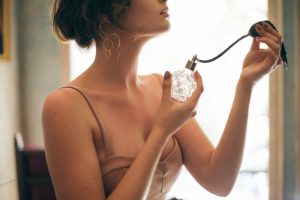
Fragrance is one of the most personal things you can wear. Unlike clothing or accessories, your perfume becomes part of you. It mingles with your skin chemistry, drifts into the air around you, and leaves an impression long after you have left the room. Choosing the right scent, then, deserves more thought than grabbing whatever is on sale at the department store counter.
Your personality offers clues about which fragrances will feel right on you. Not in some mystical way, but practically. The scents that align with who you are tend to be the ones you actually enjoy wearing day after day. They feel natural rather than forced. They complement rather than contradict.
The Outgoing Type
If you walk into a room and own it, your fragrance should match that energy. People who thrive in social situations, who feed off interaction and conversation, often do well with scents that have presence. This does not mean overpowering. It means fragrances that make themselves known without being obnoxious.
Look for perfumes with good projection and sillage. These are the scents that trail behind you and announce your arrival before you say a word. Notes like oud, amber, spices, and warm woods tend to project well. Citrus openings can add energy without being too forward.
Making Your Mark
Social butterflies often become known for their signature scent. People remember them not just for their personality but for the fragrance they leave behind. If this sounds appealing to you, consider committing to one or two signature scents rather than rotating through a dozen. Consistency creates association, and association creates recognition.
The Reserved Soul
Not everyone wants their fragrance to precede them. Some people prefer scents that stay close to the skin, revealing themselves only to those who get near. If you value privacy and personal space, these intimate fragrances might suit you better.
Skin scents, as they are called in the fragrance community, hug the body rather than projecting outward. They create a personal bubble of scent that rewards closeness. Notes like musk, clean woods, light florals, and sheer aquatics often produce this effect. These fragrances feel less like a statement and more like a secret.
Quieter personalities often appreciate fragrances with subtlety and depth that reveals itself over time. Rather than hitting you with everything at once, these scents unfold slowly. You notice different aspects hours into wearing them. They reward patience and attention.
The Creative Mind
People who think differently often want to smell differently too. If you spend your time creating, imagining, and questioning conventions, mainstream fragrances might feel boring to you. You want something that surprises, something that does not follow the usual formula.
Look toward fragrances that play with expectations. These might feature unusual notes like ink, concrete, hay, or smoke. They might combine familiar elements in unexpected ways. Art houses and independent perfumers often excel at these kinds of compositions.
Embracing the Unusual
Not every fragrance needs to be traditionally pleasant. Some of the most interesting scents challenge what we think perfume should smell like. If you are the type who enjoys making people think, a fragrance that provokes reaction might be exactly what you need.
That said, choose wisely. There is a difference between interesting and unwearable. The best artistic fragrances remain wearable while pushing boundaries. They make people curious rather than uncomfortable.
The Traditionalist
Some people know what they like and see no reason to change. If you value consistency, heritage, and things that work, your fragrance choices will probably reflect that. Classic fragrance families like fougères, chypres, and orientals have endured for a reason. They work.
Traditional fragrance structures follow established patterns that have proven themselves over decades. A fougère opens with lavender and coumarin. A chypre builds on oakmoss, bergamot, and labdanum. These formulas create reliable results that stand the test of time.
For traditionalists, quality matters more than novelty. You would rather invest in a well made fragrance from an established house than chase the newest release. This approach often leads to better long term satisfaction and a wardrobe of scents that remain relevant year after year.
The Romantic
Romantics see beauty everywhere and want their fragrance to reflect that sensibility. If you are moved by poetry, art, and emotion, you might gravitate toward scents that tell stories or evoke specific moods.
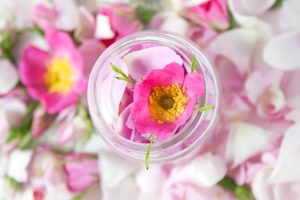
Florals are the obvious choice here, but not just any florals. Romantics often prefer flowers rendered realistically rather than abstracted into something generic. A rose that smells like an actual rose. A jasmine that captures the night blooming flower at its peak. These fragrances connect to real experiences and real emotions.
Setting the Scene
Romantic personalities often match their fragrance to their mood or plans. A daytime scent might be light and hopeful. An evening fragrance could turn deeper and more sensual. This rotation keeps things interesting while allowing different facets of personality to come forward at appropriate times.
Finding Your Match
The connection between personality and fragrance is not about limiting yourself. It is about starting somewhere. Once you understand what naturally appeals to you, exploration becomes more focused and more rewarding.
Sample before you buy. No description or review can tell you how a fragrance will actually smell on your skin. What works for one person might disappear on another. Give scents time to develop. First impressions are important, but how a fragrance wears over several hours matters just as much.
Most importantly, trust your nose. You are the one wearing the fragrance. Other people’s opinions matter less than how a scent makes you feel. When you find something that clicks, you will know it. The right perfume feels less like something you put on and more like an extension of who you already are.