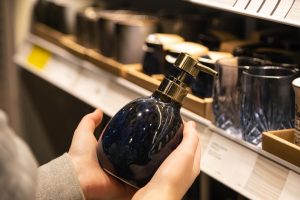
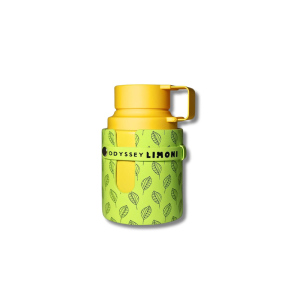
The fragrance industry in America is experiencing a quiet revolution. For decades, consumers faced a frustrating choice when shopping for perfume. You could spend $20 on something that smelled like chemicals and lasted an hour. Or you could shell out $300 or more for a prestige fragrance that might be worth the investment. The middle ground barely existed.
That is changing fast. A new category of affordable luxury perfumes has emerged, and American consumers are paying attention. These fragrances offer genuine quality at prices that do not require a second mortgage. The old rules about price equaling quality are being rewritten.
What Drives the High Prices of Traditional Luxury
To understand why affordable luxury matters, you need to understand what you are actually paying for when you buy an expensive designer fragrance. Here is the reality: the juice inside that bottle often costs less than you would expect. A significant portion of your money goes toward marketing campaigns, celebrity endorsements, packaging, and retail markup.
When a fashion house launches a new fragrance, they might spend tens of millions on advertising. They hire photographers, directors, and models. They buy prime time television spots and billboard space in Times Square. All of that cost gets baked into the price you pay at the counter.
The bottle and packaging add another layer. Some designer fragrances come in handcrafted flacons with gilded details. The box might feature embossing, ribbons, and tissue paper. These touches look impressive, but they do nothing for how the perfume smells or how long it lasts.
The New Model
Affordable luxury fragrance brands operate differently. They cut the fat that traditional houses have accumulated over the years. Marketing budgets are leaner, relying more on word of mouth and social media than expensive campaigns. Packaging is clean and functional without being cheap looking. Retail partnerships are selective.
The savings from these efficiencies go into what actually matters: the fragrance itself. Better ingredients. Higher oil concentrations. More time spent on formulation. The result is a product that competes with fragrances costing two or three times as much.
Quality Ingredients Within Reach
Ten years ago, getting your hands on a fragrance featuring real oud, quality sandalwood, or natural musks meant paying top dollar. These ingredients are expensive to source and process. Mainstream fragrance houses either used synthetic alternatives or priced their products accordingly.
The affordable luxury segment has found ways to include these coveted ingredients without the massive price tags. Some brands work directly with ingredient suppliers, cutting out middlemen. Others have developed sustainable sourcing arrangements that provide consistency without the premium pricing. A few have even invested in their own cultivation efforts.
The Educated Consumer
American fragrance consumers have become more knowledgeable over the past decade. Online fragrance communities have millions of members discussing notes, longevity, projection, and value. YouTube channels dedicated to perfume reviews rack up hundreds of thousands of views. People know what they are looking for now.
This education has shifted expectations. Consumers no longer accept the premise that a high price tag automatically means a superior product. They want proof. They want reviews from real people, not paid advertisements. They want to know what they are getting before they commit.
Affordable luxury brands have thrived in this environment. Their products can stand up to scrutiny. When a reviewer puts a $70 fragrance next to a $200 competitor and finds comparable quality, the internet notices. Those comparisons drive sales and build reputations.
Beyond the Dupes
Some affordable fragrance brands have built their business on creating dupes or clones of expensive perfumes. While these have their place, the affordable luxury segment aims higher. These are not copies. They are original compositions created by trained perfumers who happen to work for companies with more efficient business models.
Originality matters to today’s consumers. People want to smell like themselves, not like a cheaper version of someone else. The best affordable luxury brands understand this. They create fragrances with distinct personalities that happen to cost less than their competitors.
Performance That Delivers
Longevity has become a key metric for judging fragrance value. A perfume that costs $150 but lasts three hours actually costs more per wearing than an $80 fragrance that lasts all day. Consumers are doing this math, and they are choosing accordingly.
Many affordable luxury fragrances feature extrait or parfum concentrations, the highest levels in the industry. These formulations use more fragrance oil and less alcohol, resulting in scents that project well and linger on the skin and clothing. What used to be reserved for the most expensive offerings is now available at reasonable prices.
The Retail Shift
Traditional fragrance retail has favored established luxury houses. Department store counter space goes to brands with the biggest marketing budgets and the longest histories. Breaking into these channels requires resources that newer brands often lack.
Online retail has leveled the playing field. Consumers can discover and purchase fragrances from anywhere without ever setting foot in a department store. This direct relationship between brand and customer eliminates layers of markup and allows smaller companies to compete on quality rather than shelf placement.
Looking Forward
The affordable luxury fragrance segment will continue to grow. Consumer expectations have permanently shifted. People know that quality does not have to come with an outrageous price tag. They have experienced it for themselves.
Traditional luxury houses will need to adapt. Some already are, launching diffusion lines or reformulating existing products to offer better value. Others will cling to their pricing models and watch market share erode. The brands that succeed going forward will be those that focus on what goes in the bottle rather than what goes on the billboard.
For American consumers, this shift means more options and better value than ever before. The days of choosing between cheap and good are over. Affordable luxury has arrived, and it is here to stay.